In today’s fast-changing business world, having a solid workspace setup is more important than ever if you want to succeed. Sarah Thompson from Workspace Innovations put it well when she said, “A well-structured workspace can really boost both productivity and creativity.” Still, a lot of companies are finding it tough to fully adopt modern Workspace Solutions into their daily operations.
Good workspace solutions can make communication smoother and easier. Teams can work together in real time, cutting down on those frustrating delays. But let’s be honest—changing the way things are done isn’t always easy. Some businesses resist shifting away from old habits, which can hold them back from really unlocking efficiency and benefits.
Putting money into a solid workspace solution can definitely make a difference—it’s not just about buying new tools, it’s also about changing company culture. And have you thought about adding procurement solution software? When you combine these, it can totally change how resources are managed. At the end of the day, companies need to look at their current methods and be open to evolving if they want to truly get the most out of their workspace investments.

The Importance of a Dedicated Workspace for Enhancing Productivity
In today’s fast-paced world, having a dedicated workspace is crucial. A well-defined area for work helps individuals focus better on tasks. Without a proper environment, distractions can easily arise. This fragmentation often leads to reduced efficiency. For example, working from a cluttered dining table can feel chaotic. On the other hand, a clean, designated space promotes a sense of order.
The right workspace boosts productivity significantly. It creates a boundary between personal and professional life. This separation is vital for mental clarity. When equipped with the necessary tools, motivation surges. Yet, some may still struggle with organization. It's not uncommon to feel overwhelmed by responsibilities. Reflecting on one’s habits can lead to improvements in workspace management.
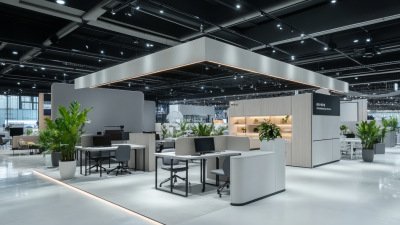
Every detail counts when designing a workspace. Light, furniture, and ambiance play a role in how we feel while working. A window view can inspire creativity, while comfortable seating can reduce fatigue. Consider what elements distract you. Identifying these factors can lead to a more efficient and enjoyable work experience. It’s an ongoing journey to refine the space for optimal performance.
Statistics on Workspace Solutions Impacting Employee Satisfaction
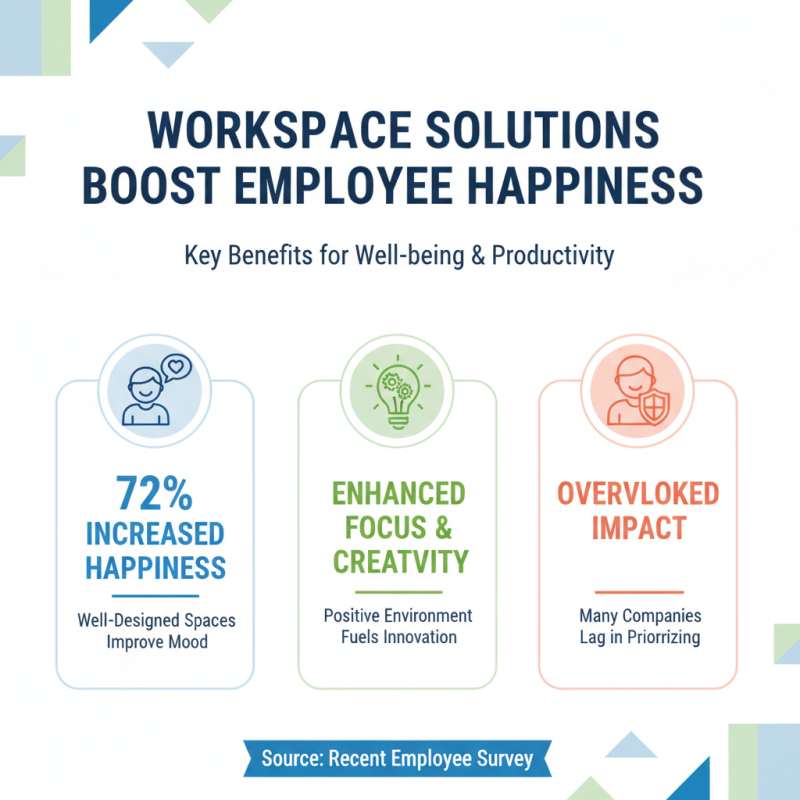
Workspace solutions have become crucial for improving employee satisfaction. According to a recent survey, 72% of employees reported that a well-designed workspace increases their overall happiness at work. A positive environment enhances focus and creativity. Yet, many companies overlook the impact of workspace on employee well-being.
Research shows that nearly 65% of workers believe that their physical workspace directly affects their productivity. Individuals with access to flexible workspaces reported a 30% increase in job satisfaction. This data challenges businesses to rethink their traditional office layouts. Often, rigid setups don’t foster collaboration. Instead, they create barriers that hinder communication. Companies should strive to eliminate these obstacles for better teamwork.
Moreover, 57% of employees stated they feel more valued when their workplace reflects their needs. Comfort and accessibility in workspace design matters. A thoughtful approach can transform the workplace into a hub of innovation. Workspace Ae can help businesses adapt to these changing needs. By prioritizing employee feedback, companies can create environments that are both functional and pleasing. This holistic view of workspace design holds potential for future growth.
Cost-Benefit Analysis: Comparing Traditional Offices vs. Flexible Workspaces
Businesses today face a critical choice: traditional offices or flexible workspaces. Recent studies show that 75% of companies are reconsidering their office strategies. This shift is notable, especially since flexible workspaces can reduce operational costs by 30% to 50%. For many firms, this leads to significant savings on rent and utilities.
Traditional office spaces often come with long-term leases. Businesses commit to 5 to 10 years, which is risky. If the market changes, companies may struggle to adapt. In contrast, flexible workspaces offer adaptability. Indeed, 80% of firms that have switched to flexible models report increased employee satisfaction. Architects and office designers push for multipurpose spaces to enhance collaboration. Seamless work environments foster creativity but can be distracting at times. Noise levels and layout may impact productivity.
Despite the benefits, flexible workspaces come with potential downsides. Startups and small teams may find that shared spaces hinder team cohesion. Maintaining a strong company culture can be a challenge. Companies must also navigate varying costs related to amenities or services. These factors require careful consideration. A comprehensive cost-benefit analysis becomes essential for informed decision-making.
Trends in Workspace Solutions: Remote vs. Hybrid Work Environments
With the rise of remote work, companies face new challenges in workspace solutions. A recent report shows that 55% of employees prefer remote work to the traditional office. This shift pushes businesses to adapt quickly. Hybrid environments now dominate workplace strategies. This model combines remote and in-office attendance, aiming to enhance employee satisfaction.
However, not all companies thrive in this new setup. Some struggle with communication and collaboration in hybrid teams. According to a survey, 60% of managers find it hard to engage remote employees effectively. Employees report feeling disconnected. The desire for spontaneous interactions isn't fully met. Companies must rethink their workspace designs to foster connections, even in a hybrid world.
Technology plays a crucial role in making hybrid work successful. Tools like project management systems and virtual communication platforms are essential. Yet, they can create confusion. Inconsistent software can lead to misunderstandings. Moreover, data security becomes a pressing concern. Employees working remotely may inadvertently expose sensitive information. Businesses must reflect on their current policies to ensure security and efficiency in this evolving workspace landscape.
How Workspace Design Influences Collaboration and Innovation
Designing a workspace can significantly influence how employees collaborate and innovate. Research shows that well-designed spaces can boost collaboration by up to 20%. Open layouts encourage dialogue. Yet, too much openness can lead to distractions. Finding balance is key.
Effective workspace solutions enhance innovation. A report by Steelcase reveals that 88% of employees seek spaces that support teamwork. Comfortable areas with ample natural light encourage creativity. Flexible furniture can adapt to various tasks. However, neglecting quieter spaces can deter focused work.
Tips: Create an inviting entrance. It sets the tone for collaboration. Regularly gather feedback from teams about the workspace. Adjustments can create an environment that fosters innovation. Remember, a well-thought-out Workspace Uae can redefine your culture. Balancing collaboration and focus is essential.
Why Do You Need a Workspace Solution for Your Business?
The workspace design plays a crucial role in enhancing collaboration and innovation within teams. This bar chart illustrates the impact of design on various key factors such as creativity, team communication, employee satisfaction, productivity, and innovation. High scores reflect how a well-designed workspace can foster a better working environment.
Key Features to Look for in an Effective Workspace Solution
In today’s competitive landscape, businesses need effective workspace solutions. These solutions can enhance productivity and promote collaboration. Industry studies reveal that nearly 70% of employees work better in well-designed environments. A crucial feature is flexibility. Teams thrive in spaces that adapt to different tasks. Open layouts encourage brainstorming, while private areas support focused work.
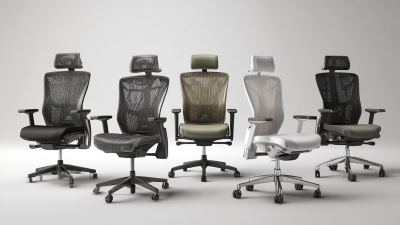
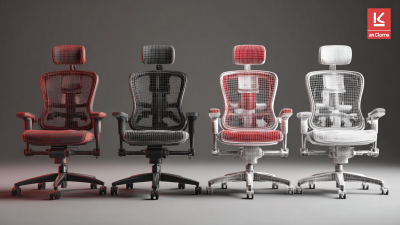
Another key feature is ergonomics. The right furniture plays a significant role here. For instance, an ergonomic Workspace Chair can reduce fatigue and increase comfort. Research indicates that ergonomic setups can improve employee satisfaction by up to 60%. Investing in good furniture pays off. Poor seating can lead to back issues, impacting overall performance.
Technology integration is essential, too. Modern workspace solutions should support digital tools for communication and project management. Studies show that companies with integrated systems see a 30% increase in team collaboration. However, many businesses still struggle with outdated technology. They fail to update their systems or provide proper training, limiting potential benefits. All these factors contribute to a workspace that fosters growth and efficiency.
Case Studies: Successful Companies Utilizing Workspace Solutions
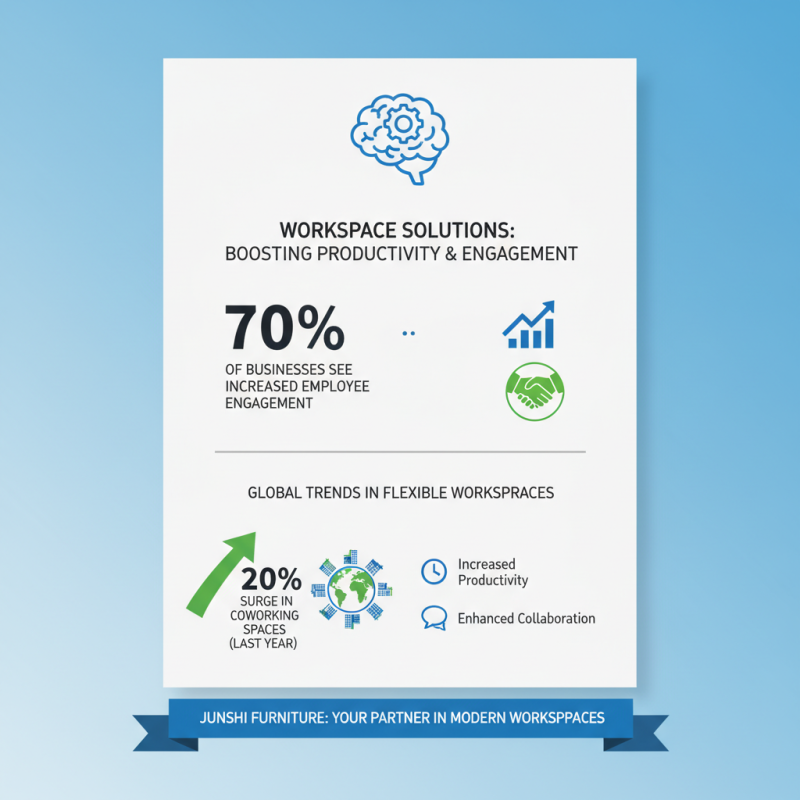
Many companies are turning to Workspace Solutions to boost productivity. A recent report shows that 70% of businesses implementing these solutions experienced increased employee engagement. Global coworking spaces have also surged by 20% over the past year alone, indicating a significant trend towards flexible environments.
Case studies reveal how effectively workspace solutions can be utilized. A tech startup saw a 30% rise in project turnover after adopting a co-working space. Teams reported feeling less isolated and more energized. However, not all outcomes were perfect. Some organizations struggLED with communication in shared spaces, highlighting areas for improvement.
Another study indicated that companies embracing workspace solutions reduced operational costs by 25%. Yet, there were challenges in maintaining privacy and focus. Employees noted distractions from open layouts. Despite these issues, the overall benefits demonstrate a strong case for workspace solutions, provided companies address potential shortfalls.
Conclusion
A workspace solution is essential for businesses aiming to enhance productivity and employee satisfaction. A dedicated workspace can significantly boost efficiency by providing an organized environment tailored to team needs, promoting better collaboration and innovation. Statistics reveal that effective workspace solutions positively impact morale and job satisfaction, ultimately leading to improved performance.
Moreover, businesses must carefully evaluate the cost-benefit of traditional offices versus flexible workspaces. Trends indicate a growing preference for remote and hybrid environments, which can lead to cost savings and greater employee flexibility. When choosing a workspace solution, organizations should consider key features that foster collaboration and innovation, as evidenced by successful case studies of companies leveraging innovative workspace designs to thrive in today's competitive landscape.